

Most people don't think about visiting a doctor until they're sick. A persistent cough, severe pain, or a high fever often becomes the reason to schedule an appointment. While primary care physicians certainly treat illnesses, their role goes far beyond helping patients recover when something goes wrong.
A primary care physician is your long-term healthcare partner someone who understands your medical history, helps prevent disease, manages chronic conditions, and guides you through every stage of life. Establishing care before a health problem becomes serious allows you to receive more personalized treatment, detect medical concerns earlier, and make informed decisions about your well-being.
Unfortunately, many adults delay medical care because they're busy, assume symptoms will resolve on their own, or simply aren't sure whether their situation warrants an appointment. Knowing when to see a primary care physician can help you avoid unnecessary complications while keeping your health on track.
Whether you're new to the area, searching for a family doctor near me Dallas TX, or looking for a healthcare provider who offers comprehensive care for your entire family, understanding these warning signs can help you determine when it's time to schedule a visit.
At Align Primary Care, we believe proactive healthcare leads to healthier lives. Our team provides personalized medical care focused on prevention, early diagnosis, and long-term wellness for patients throughout Dallas, Garland, and surrounding communities.
Why Primary Care Matters
Your primary care physician serves as the first point of contact for most healthcare needs. Instead of treating isolated symptoms, they evaluate your overall health, identify risk factors, coordinate specialist referrals when necessary, and help prevent future health problems.
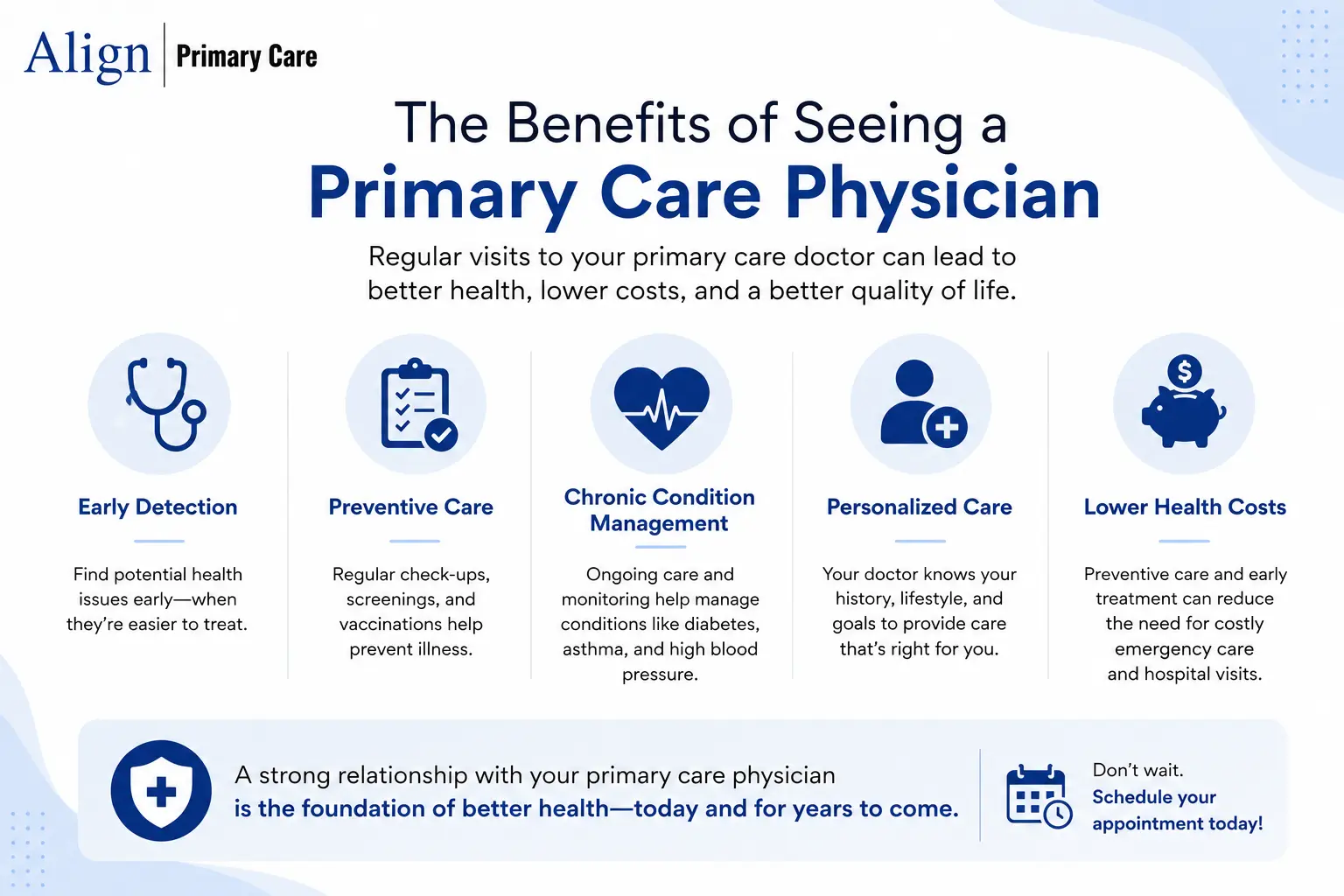
Building an ongoing relationship with one provider offers several advantages. Your physician becomes familiar with your personal and family medical history, making it easier to recognize subtle changes that could indicate an underlying condition. This continuity of care often leads to earlier diagnoses, better chronic disease management, and more personalized treatment recommendations.
If you haven't already established care with a provider, learning more about Family Physician Medicine can help you understand the wide range of services available through comprehensive primary care.
1. You Haven't Had a Checkup in Over a Year
One of the most common reasons people should visit a primary care physician has nothing to do with feeling sick.
Annual wellness visits provide an opportunity to evaluate your overall health, review medications, monitor blood pressure, discuss lifestyle habits, and identify risk factors before symptoms develop.
Many serious medical conditions including hypertension, diabetes, and high cholesterol can progress silently for years without noticeable symptoms. Routine screenings help detect these issues early, when treatment is often most effective.
If you're wondering when to get a checkup, the answer is simple: don't wait until something feels wrong. Preventive healthcare is designed to keep you healthy, not just treat illness.
Scheduling an appointment for Annual Wellness & Preventive Care is one of the most valuable investments you can make in your long-term health.
2. You Have Symptoms That Won't Go Away
Everyone experiences occasional minor illnesses, but symptoms that linger for days or weeks deserve medical attention.
Persistent fatigue, recurring headaches, chronic cough, digestive problems, unexplained pain, or frequent infections shouldn't simply be ignored or repeatedly treated with over-the-counter medications.
Many conditions become easier to manage when identified early. Waiting too long can allow illnesses to worsen, making treatment more complicated.
Recognizing the signs you need to see a doctor includes paying attention to symptoms that continue despite rest, hydration, or home care.
Rather than guessing what's causing your symptoms, a comprehensive evaluation can help identify the underlying issue and determine the most appropriate treatment plan.
3. You Need Help Managing a Chronic Condition
Living with a chronic medical condition requires more than taking medication. Ongoing monitoring helps ensure treatment remains effective while reducing the risk of long-term complications.
Conditions commonly managed by primary care physicians include:
- Diabetes
- High blood pressure
- High cholesterol
- Asthma
- Thyroid disorders
- Arthritis
Regular follow-up appointments allow your physician to review laboratory results, adjust medications when necessary, discuss lifestyle modifications, and monitor your overall progress.
Patients managing long-term conditions often benefit from personalized care through Chronic Disease Management, helping them maintain better health and improve their quality of life.
Primary Care vs. Urgent Care: What's the Difference?
Many people aren't sure whether to visit their primary care physician or an urgent care clinic. Understanding the difference helps ensure you receive the most appropriate care.
| Primary Care Physician | Urgent Care |
| Preventive care and annual checkups | Minor injuries and sudden illnesses |
| Long-term health management | Immediate treatment for non-life-threatening conditions |
| Chronic disease monitoring | Short-term medical concerns |
| Medication management | Limited follow-up care |
| Personalized healthcare based on your medical history | Focused treatment for the current illness or injury |
When considering primary care vs urgent care, remember that urgent care is designed for immediate but non-emergency medical needs, while your primary care physician manages your overall health over time.
Ideally, both services complement one another. After an urgent care visit, following up with your primary care physician helps ensure continuity of care and appropriate long-term management.
4. Your Blood Pressure or Blood Sugar Is Elevated
High blood pressure and diabetes are among the leading causes of heart disease, kidney disease, stroke, and other serious health complications.
The challenge is that both conditions often develop gradually, producing few or no symptoms during the early stages.
Routine monitoring allows your physician to identify concerning trends before complications occur.
If you've noticed elevated readings during pharmacy screenings, workplace wellness events, or home monitoring, don't assume they'll improve on their own.
Patients diagnosed with diabetes can receive ongoing support through Diabetes Treatment, while individuals managing hypertension benefit from comprehensive care provided through our Hypertension Clinic.
5. You're Experiencing Changes in Weight, Energy, or Hormones
Unexplained weight gain or weight loss, persistent fatigue, mood changes, poor sleep, reduced libido, or changes in menstrual cycles may indicate underlying hormonal or metabolic concerns.
These symptoms are frequently attributed to stress or aging, but they can also result from thyroid disorders, insulin resistance, menopause, testosterone deficiency, or other hormonal conditions.
Rather than trying to self-diagnose, discussing these concerns with your physician allows for appropriate evaluation and testing.
Depending on your symptoms and medical history, your provider may recommend services such as Hormone Replacement Therapy, Bioidentical Hormone Therapy, or Testosterone Therapy as part of a personalized treatment plan when clinically appropriate.
Women experiencing hormonal changes can also benefit from comprehensive care through our Women's Health Services, ensuring their concerns are evaluated with a whole-person approach.
6. You Need Preventive Screenings Based on Your Age or Risk Factors
Preventive healthcare isn't just about annual physicals. As you get older, or if you have a family history of certain conditions, your physician may recommend additional screenings to detect diseases before symptoms appear.
Many serious illnesses including certain cancers, cardiovascular disease, osteoporosis, and diabetes often develop silently. By the time noticeable symptoms occur, treatment may be more complex.
Your primary care physician evaluates your personal and family medical history to determine which screenings are appropriate for your age, lifestyle, and overall health.
Preventive screenings may include:
- Blood pressure and cholesterol checks
- Diabetes screening
- Cancer screenings
- Routine laboratory testing
- Body mass index (BMI) evaluation
- Women's or men's preventive health assessments
For individuals at increased risk, scheduling a visit through Cancer Screening Services can play an important role in early detection and better long-term outcomes.
Rather than waiting until symptoms appear, preventive care gives you the opportunity to stay ahead of potential health concerns.
7. You're Looking for Long-Term Support to Improve Your Health
Primary care isn't only for diagnosing illnesses it's also about helping you achieve your long-term health goals.
Whether you're working toward a healthier weight, improving nutrition, increasing physical activity, or lowering your risk of chronic disease, your primary care physician can provide ongoing guidance and accountability.
For many patients, weight management is about much more than appearance. Maintaining a healthy weight may reduce the risk of conditions such as diabetes, hypertension, sleep apnea, heart disease, and joint problems.
Instead of relying on fad diets or short-term solutions, medically supervised care focuses on sustainable lifestyle changes and individualized treatment plans.
If weight management is one of your health goals, our Weight Loss Management program offers personalized support designed around your unique needs and medical history.
Similarly, patients with seasonal allergies or recurring allergic reactions may benefit from Allergy Testing and Immunotherapy, allowing them to identify triggers and receive treatment that improves daily quality of life.
8. You Don't Have an Established Primary Care Physician
One of the biggest mistakes people make is waiting until they're sick to start looking for a doctor.
When you're feeling unwell, trying to find a provider who accepts new patients, verifies your insurance, and has appointment availability can add unnecessary stress.
Establishing care before you need urgent medical attention creates a foundation for better healthcare. Your physician gets to know your medical history, medications, allergies, family history, and personal health goals, making future visits more efficient and personalized.
If you've recently moved to the area or have never established ongoing medical care, now is an excellent time to become a new patient primary care Garland TX residents can rely on for comprehensive healthcare.
Learning more about our Primary Care Physicians can help you choose a provider who fits your healthcare needs and supports your long-term wellness.
Do Same-Day Appointments Matter?
Life is unpredictable, and not every health concern can wait several weeks for an appointment. Minor illnesses, unexpected symptoms, and worsening chronic conditions often require prompt medical attention.
Many patients searching online for a same day doctor appointment Dallas TX are looking for fast access to trusted medical care without visiting an emergency room for a non-life-threatening issue.
Depending on availability and the nature of your symptoms, same-day or next-available appointments can help address concerns such as:
- Fever or flu-like symptoms
- Persistent cough or sore throat
- Minor infections
- Skin rashes
- Ear pain
- Urinary symptoms
- Mild asthma flare-ups
- Medication concerns
If your symptoms include severe chest pain, difficulty breathing, sudden weakness, uncontrolled bleeding, or other life-threatening emergencies, you should seek emergency medical care immediately rather than waiting for a primary care appointment.
For less urgent concerns, contacting your primary care clinic early often provides the fastest path to appropriate treatment.
How to Prepare for Your Appointment
Whether you're scheduling your first visit or returning for a routine checkup, arriving prepared helps you get the most value from your appointment.
Bring a list of your current medications, vitamins, and supplements, along with any recent laboratory results or medical records if you're seeing a new provider.
It's also helpful to write down your symptoms, when they started, what makes them better or worse, and any questions you'd like to discuss. Many patients forget important concerns once they're in the exam room, so having notes can ensure nothing is overlooked.
If you're establishing care for the first time, be prepared to discuss your medical history, family history, previous surgeries, allergies, lifestyle habits, and preventive screenings you've already completed.
Open communication allows your physician to develop a personalized care plan that reflects your current health and future wellness goals.
Building a Long-Term Relationship with Your Primary Care Physician
One of the greatest advantages of primary care is continuity. Seeing the same physician over time creates a relationship built on trust, familiarity, and a deeper understanding of your health.
Instead of treating each visit as an isolated event, your provider can recognize patterns, monitor changes, and recommend preventive strategies tailored specifically to you.
This long-term approach often leads to:
| Benefit | How It Supports Your Health |
| Personalized care | Treatment plans based on your medical history and lifestyle |
| Earlier diagnosis | Better recognition of subtle health changes |
| Improved chronic disease management | Ongoing monitoring and medication adjustments |
| Better preventive care | Timely screenings, vaccines, and wellness visits |
| Coordinated healthcare | Appropriate referrals and communication with specialists |
Having a trusted physician who understands your healthcare journey can make managing both routine and complex medical concerns significantly easier.
Your Health Is Worth Prioritizing
Knowing when to see a primary care physician isn't just about recognizing illness—it's about taking an active role in protecting your long-term health. Whether you're overdue for a wellness visit, managing a chronic condition, experiencing new symptoms, or simply looking for a trusted healthcare partner, establishing routine primary care is one of the best investments you can make.
At Align Primary Care, we're committed to providing compassionate, patient-centered healthcare for individuals and families throughout Dallas, Garland, and the surrounding communities. From preventive care and chronic disease management to hormone therapy, weight management, and personalized treatment plans, our goal is to help you stay healthy at every stage of life.
If you've been delaying a checkup or searching for a family doctor near me Dallas TX, now is the perfect time to take the next step. Contact our team today to schedule an appointment and experience healthcare that focuses on prevention, personalized care, and lasting wellness.
Frequently Asked Questions
1. When should I see a primary care physician instead of waiting?
You should schedule an appointment if you're experiencing persistent symptoms, managing a chronic condition, overdue for an annual wellness visit, noticing unexplained changes in your health, or simply haven't established care with a primary care provider.
2. What are the signs you need to see a doctor?
Some common signs include ongoing fatigue, persistent pain, recurring headaches, unexplained weight changes, frequent infections, high blood pressure readings, elevated blood sugar, shortness of breath, or symptoms that continue despite home treatment.
3. What is the difference between primary care and urgent care?
Primary care focuses on preventive medicine, routine checkups, chronic disease management, and long-term health. Urgent care treats non-life-threatening illnesses or injuries that require prompt attention but typically doesn't provide ongoing follow-up or preventive services.
4. How often should adults get a routine checkup?
Most adults should have an annual wellness visit, although individuals with chronic medical conditions or increased health risks may need more frequent appointments based on their physician's recommendations.
5. Can a primary care physician help with weight loss and hormone concerns?
Yes. Primary care physicians evaluate underlying medical conditions that may contribute to weight gain or hormonal changes and can recommend personalized treatment plans, lifestyle modifications, laboratory testing, and specialized therapies when appropriate.
6. Do I need a primary care physician if I'm generally healthy?
Absolutely. Preventive care helps detect medical conditions before symptoms appear, keeps vaccinations and screenings up to date, and establishes a relationship with a physician who understands your medical history should future health concerns arise.
7. What should I bring to my first primary care appointment?
Bring a photo ID, insurance information, a list of medications and supplements, details about your medical history, previous healthcare records if available, and any questions or symptoms you'd like to discuss with your physician.
8. How do I schedule an appointment with Align Primary Care?
You can schedule an appointment by visiting our Contact Us page or explore additional healthcare resources on our blog. Our team is here to help new and existing patients receive timely, personalized care.